

Something very Spartan about this
When blue Santorini declines red rush. And when we should, too.


Would we be willing to be Spartan when it matters?
Hi, all-
The slew of power-grabbing news around us is making me wonder:
If someone offers you a big mansion with marble pillars—would you take it?
What if it’s in a setting like this?
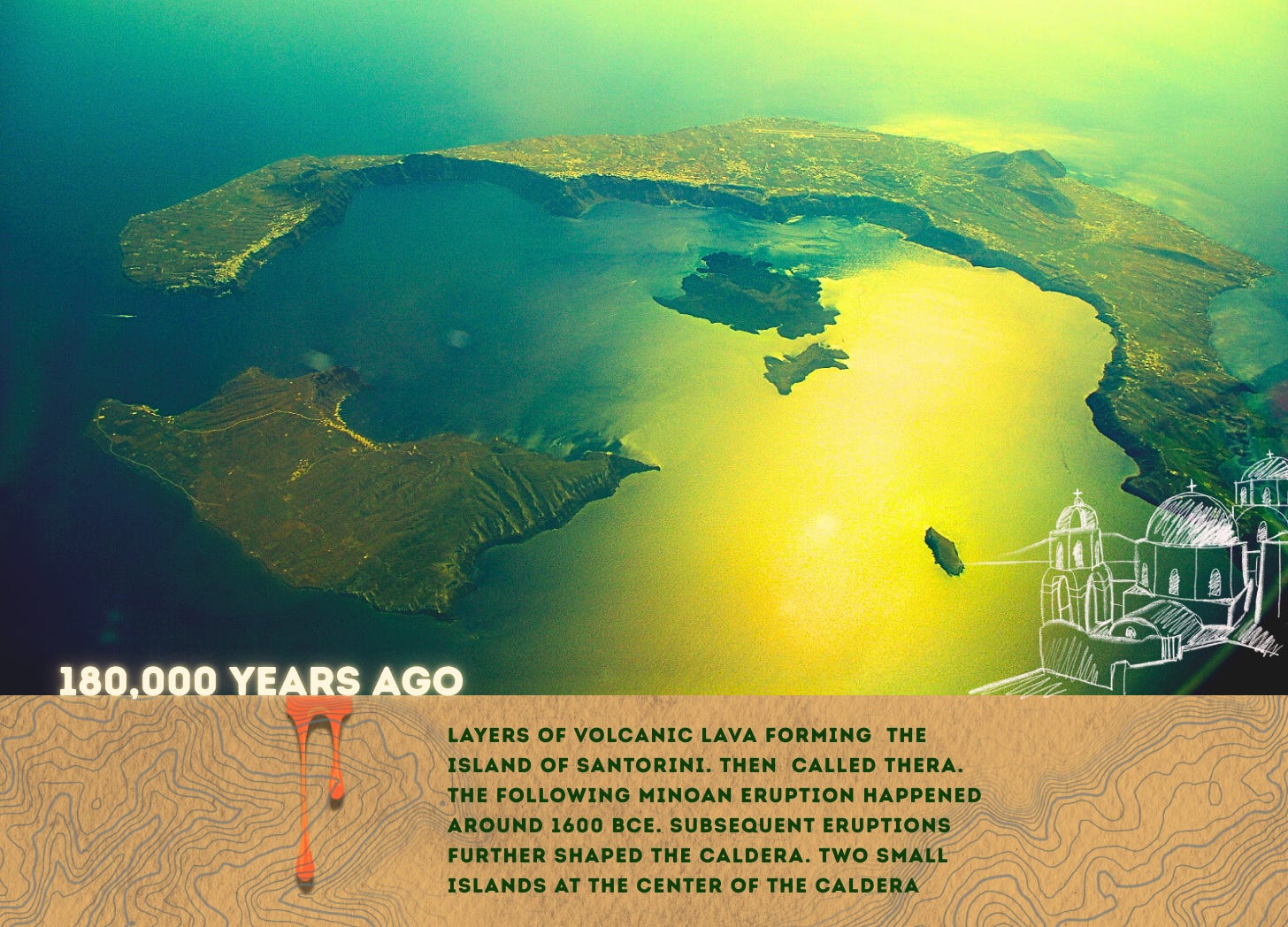
Legend has it that one Spartan commander, Theras, had other plans for his power seat.
Theras grew up the same way other boys did in ancient Greece. Around fireside sonnets praising the hero Heracles. That’s Hercules, for those with kids and grandkids. During the day, he and his friends would’ve roamed the streets. Getting yelled at by goat herders. To: Please don’t touch! And then snatching a fig from that mean vendor. Who just wouldn’t give them free stuff!
For Theras, though, playground wasn’t always very playful. It’s simply a place with too many dares. The kids would’ve egged him on: C’mon, you’re Heracles’ descendant, aren’t you? This is about the time when young Theras would see, that:
Title comes with the burdens of entitled presumptions.
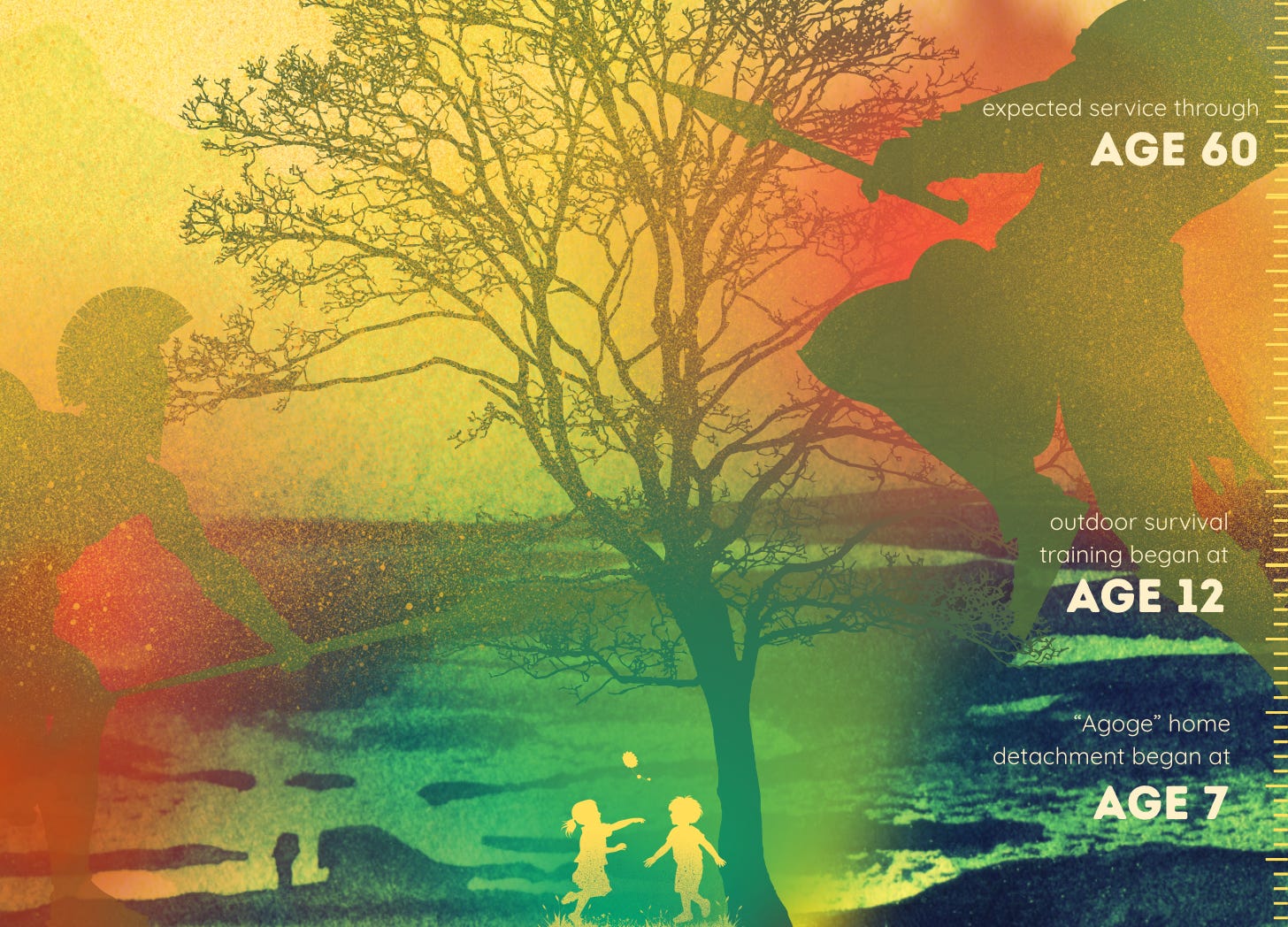
If your forefathers were world-reknowned, title becomes a burden.
Sure, it’s always cool to be the kid of that famous person. But who would Theras seek for solace? His father Autesion? A strong figure not known for tenderness. To say anything would be to complain. And so when night came and men gathered around wine and fire, to Theras, tales of triumph became his measuring stick.
A single word of complaint would shame father in front of the pride.
He didn’t want that.
Theras didn’t want to complain. He just wanted to explain.
Once, my kids told me that one of their classmates kept bragging about their father flying Air Force One with Obama. I told my kids:
Good for their father. But they aren’t their father, are they?
No, they are not.
But any attachment and detachment to the titles of our fathers, mothers, forefathers and foremothers—just mean that we all … get it. We know, that the sooner we get to a place that resembles ancestral might (or depart from ancestral shame)—the less ridicule.
So onward Theras marched throughout young adulthood. Into the red ocean of rush.
If you notice the young: they talk fast. Faster than they even realize. There’s a sense that something important is brewing inside the chest. Maybe it’s that ancestral might. But it might just be … an explosion.
It’s no surprise, then, that Thera and his friends could sense when the stunning island of Santorini—has had enough. At this point, around 3,600 BCE, they would’ve ripened into muscular youth.
Weird how instinct is so closely tied to muscles, isn’t it? You just know when something is about to project.
Santorini is about to explode.
Theras, now a commander with years of opening people’s torso and closing their eyes, agreed with Santorini.
Remember those times when you just want to quit? Kind of felt like people just didn’t get it, didn’t it? They want you to be in red rush forever. Producing with the speed of red heat. And yet somehow never being burned alive.
Santorini might’ve felt the same.
The language of the earth is on her skin. Red layers of limestone, igneous, and schit from eons ago … talks of the sh*t double-standards humans put on each other.
And on her.
How could they ask a creature older than the first men—to bear cities without ever consterning?
How could they ask an elder red rock to become even more aflame without ever resting?
Santorini’s skin, was red with heat. Theras’s hands, were red with blood.
Enough with the fruit vending and goat herding. Enough with the Herculean strength testing. It’s past the era’s high noon. And it’s time to blow the whistle on any red rush. And so, with a rumble that can only come from an internal fight between age and time, speed and thought: Santorini erupts.
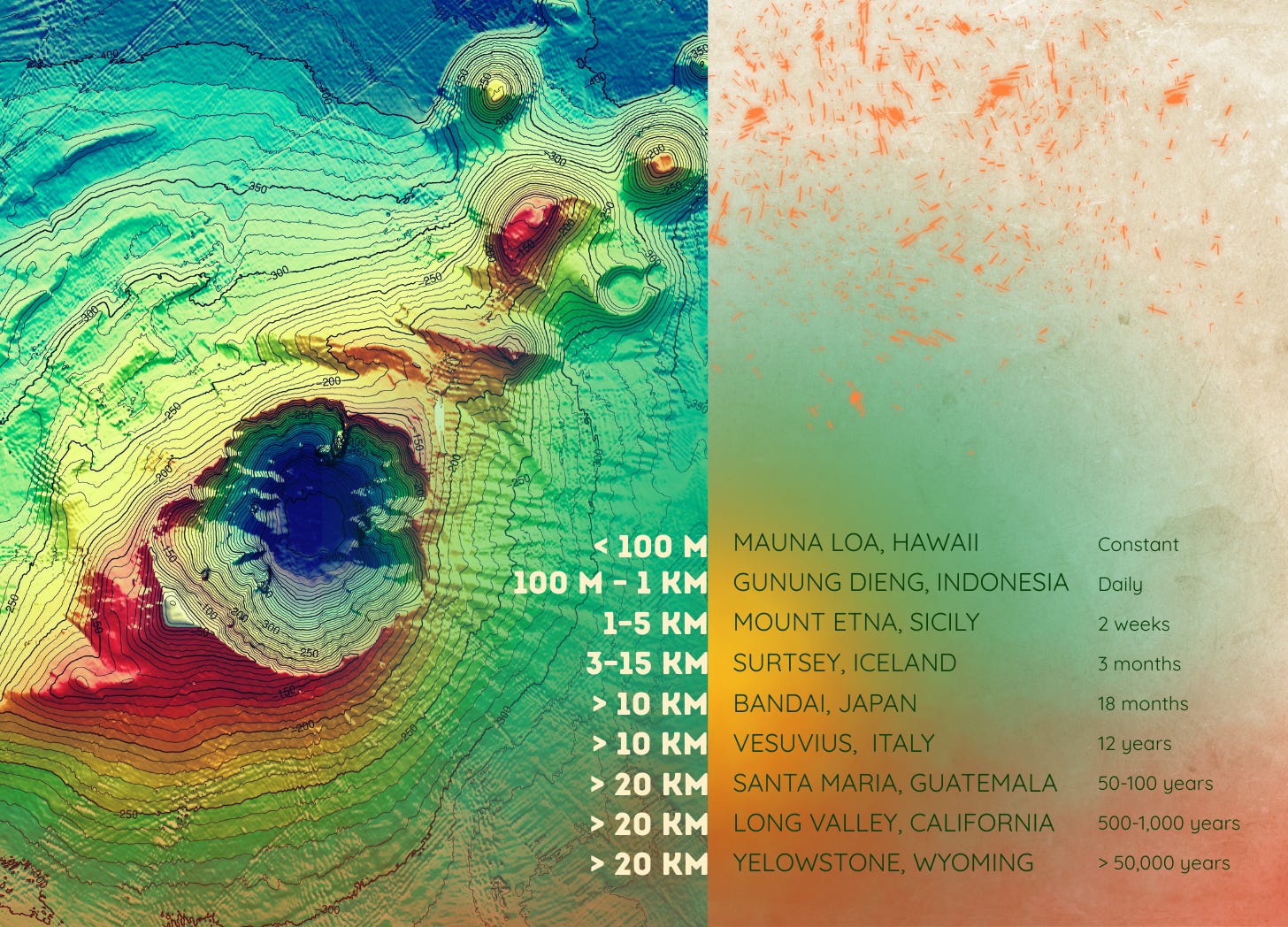
Theras and his friends, ran. Leaving any promise of big mansions. Or any attachments to marble pillars. To a nearby island. An island now known as Thira.
From there, he would’ve watched the rush-red air he left behind turn even redder. This time with molten lava. Hollowing out its midland into a gaping valley that the sea then chose to flood.
What fire empties, water will fill.
For many ancient sailors, Thira was a place that makes the sailing stop. It sits in between east and west. Pausing any red colonization efforts towards North Africa. Thira, the rest stop, blue-drowns many red conquests.
Blood of many fallen soldiers, after all, still can’t darken that kind of blue.
To the birds: the now crescent-shaped Santorini shot up her volcanic arms to the crescent moon above. It’s been many eons that Santorini tried to mirror the moon. But she still has yet to steal a kiss. They say that star-crossed lovers never tire of crying out to each other. Santorini’s bouts of flames and ash—are proof.
And during the long periods when she rests before attempting another reach: clifftop dwellings on Santorini are painted bright white. Inside are cavernous dwellings meant to cool any 2 PM red heat.
Past 2 PM of a person’s life is when a youth could no longer complain. When any man should’ve given up on childhood’s red-Herculean pride.
But what people don’t always know, is that heat isn’t just red-orange-yellow. Closer to where heat starts, yellow is white. And white: blue. Turquoise, icy blue.
The people of Santorini—now got this. Aesthetics, politics, folklores, and symbolisms aside—the blue rooftops and now Thera’s new dwelling Thira, will never forget, that:
At 2 PM, blue Santorini declines red rush.
Once her volcanic arms have lowered from the midday pursuits of meeting the moon, it sinks into the blue. Waiting patiently for another chance to reach up. While it sits under the cooling shade of eternity.
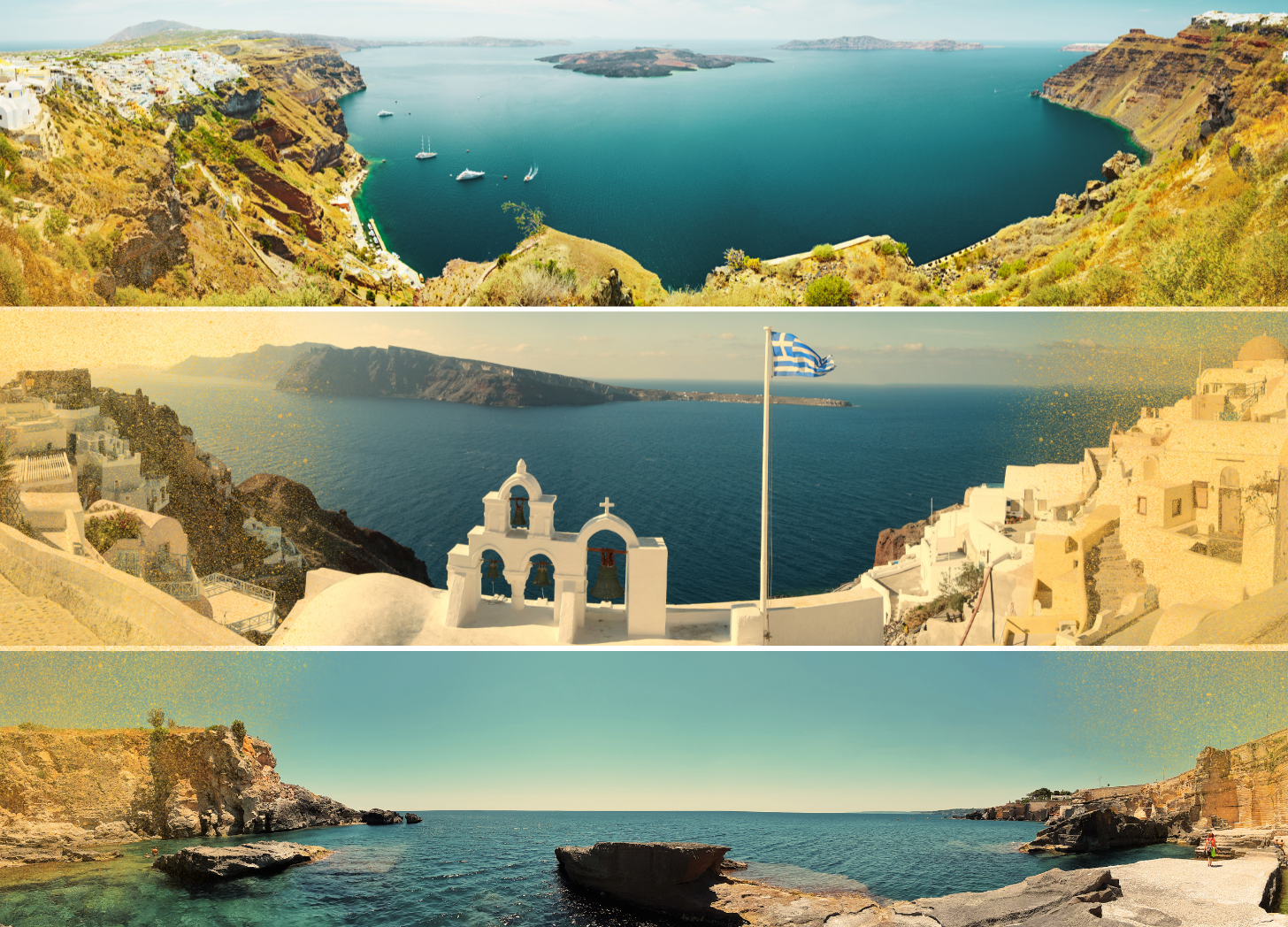
There's something very spartan about this.
I want Santorini’s blue-heat forever.
At 2PM of any path of your choosing, I hope you do, too.
-Thalia
Upcoming
On the refusal to die ala Komodo dragons
Pen names, according to Switzerland peaks
The faces of alphas in Pacific North West
Previously:
Springsteen’s magnetism of places


Wonderful storytelling, poetic and evocative.
Love it!